Working Groups At The AI Impact Summit / Inclusion for Social Empowerment
Inclusion for Social Empowerment Working Group
Advancing AI systems that are inclusive by design, empowering diverse communities and ensuring equitable representation.

About The Working Group
AI technologies hold immense potential for uplifting all sections of society, including communities that have faced difficulties in being able to meaningfully participate in social and economic development. The Inclusion for Social Empowerment thematic working group aims to enable the development and adoption of inclusive AI for social empowerment of all, ensuring no one is left behind.
Vision & Objectives
Building an equitable global AI ecosystem
The Inclusion for Social Empowerment Working Group will explore pathways that can be used to ensure AI can act as a catalyst for social empowerment. Its focus is to enable participation, expand opportunity, and unlock human potential across languages, abilities, geographies, and cultures. It will centre solutions, capacity building, and scalable models that deliver tangible benefits for all, especially underserved communities.
Leadership
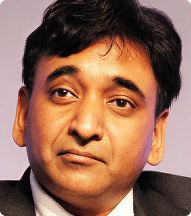
Mr Rajesh Aggarwal
India Co-Chair
Secretary, Department for Empowerment of Persons with Disabilities (DEPwD), Ministry for Social Justice and Empowerment, Government of India
Mr. Rajesh Aggarwal is currently serving as Secretary for the Department of Empowerment of Persons with Disabilities (DEPwD). Across multiple roles at a federal and state level, he has championed the use of technology to improve governance, playing a foundational role in the creation and improvement of the Digilocker, Jeevan Praman and other significant e-governance programmes. Mr. Aggarwal also has a distinguished track record in making public services and infrastructure accessible for persons with disabilities, including ensuring government websites and public spaces are inclusive for all.

Switzerland
Country Co-Chair

Nigeria
Country Co-Chair
Key Issues
Understanding the global AI divide and our approach to bridging it
The Challenge
Translating potential AI-driven benefits into tangible outcomes depends on the readiness of deployers and users to effectively manage and use the technology. This means providing relevant AI literacy, awareness and training to not just beneficiaries, but those who ensure they are available to the beneficiaries – such as last-mile field workers, educators, administrators and even managers of developers.
The Solution
The fragmented nature of the development of AI tools and initiatives for social empowerment means that at present, effective solutions cannot be replicated or scaled up easily. This emphasises the need for mechanisms to actively share technical learnings and guidance that can ensure that successful programmes in one region can be translated to others.
The Impact
To ensure that these AI technologies are able to truly deliver their transformative potential, it is important for them to actively account for and accommodate the diverse needs, identities, and experiences of all users, including those from the Global South and from traditionally underserved communities. Efforts to improve inclusivity-by design need to be continued to ensure the improvement of AI systems’ safety, relevance and usability
Meeting Schedule
16th January 2026
Hybrid Meeting (Hyderabad)

Help shape the future of global AI by sharing your perspectives, suggestions, and expertise. Your input will contribute to equitable access and inclusive AI innovation worldwide.
Share your input
We value your insights and contributions to the working groups
Related Pre-Summit Events
Join related events building momentum for the summit
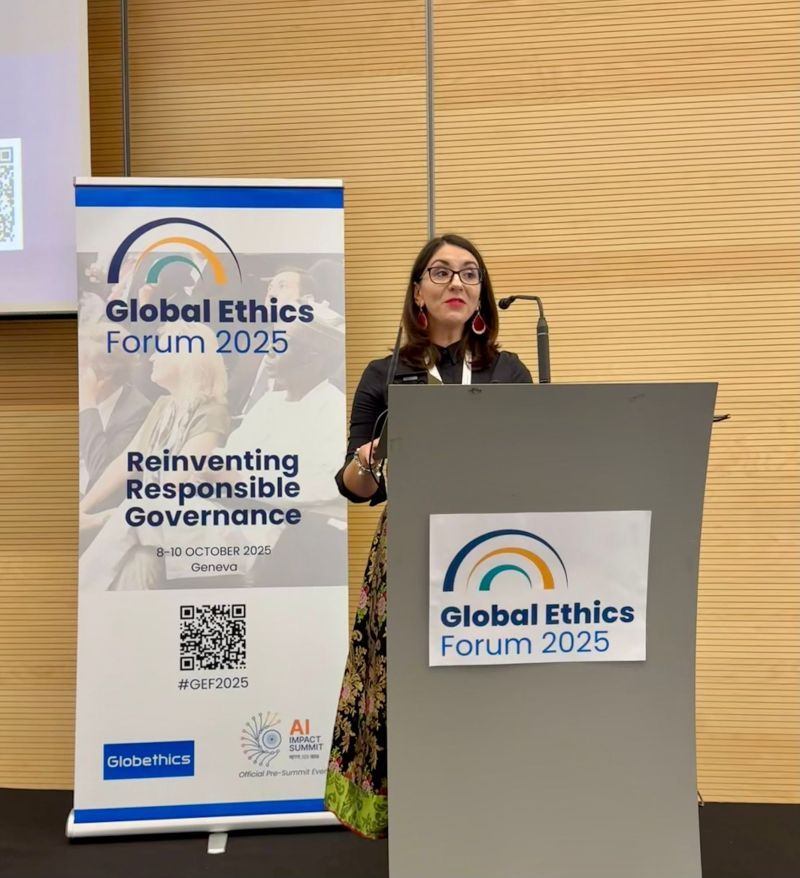
The Global Ethics Forum 2025, held in Geneva, convened policymakers, academics, civil society, and industry leaders to explore ethical challenges in governance under the theme “Reinventing Responsible Governance.” The AI track focused on safe and trusted AI and inclusion, featuring plenaries and breakout sessions to generate actionable recommendations for the IndiaAI Impact Summit 2026. The Forum emphasized diverse representation, civil society’s role, and multisectoral dialogue to address AI safety risks and foster inclusive, ethically governed AI systems, producing outcome reports on AI safety and inclusion designed to inform the Summit.