Working Groups At The AI Impact Summit / AI for Economic Development & Social Good
AI for Economic Development & Social Good Working Group
Leveraging AI to enhance productivity, innovation, and inclusive development across economies and societies.

About The Working Group
AI can significantly advance development goals, including across healthcare, education, agriculture, among others. However, realizing this potential requires addressing barriers related to capacity gaps, fragmented knowledge-sharing, interoperability, and incentive alignment that limit scalability and replicability. The AI for Economic Growth & Social Good thematic working group seeks to strengthen cooperation, promote knowledge exchange, and identify pathways to scale impactful AI solutions that advance inclusive, sustainable, and equitable growth.
Vision & Objectives
Building an equitable global AI ecosystem
The Working Group will explore approaches to harness AI’s potential for truly inclusive growth, recognising and supporting high impact use cases that become exemplars of AI for both economic growth and social good.
Leadership

Ms. Debjani Ghosh
India Co-Chair
Distinguished Fellow - NITI Aayog
Ms/ Debjani Ghosh is a Distinguished Fellow at NITI Aayog and the Chief Architect of the NITI Frontier Tech Hub, India’s pioneering think tank dedicated to advancing the country’s readiness in frontier technologies for accelerated economic growth and societal development. With over 28 years of leadership experience, including as the first female President of Nasscom and former head of Intel South Asia, she has been at the forefront of driving India’s emergence as a global innovation powerhouse. At Nasscom, Debjani redefined the organization’s focus on frontier technologies, championed India’s deep tech ecosystem, and advanced the nation’s position as a trusted partner for human-centric and sustainable innovation. Her vision of the “Techade” and the “Inevitable India” strategy has inspired a global narrative around India’s leadership in technology-driven transformation. Recognized among India’s “First Ladies” by the President of India, she has been featured in Vogue’s “Tech Leader of the Year” and in FemaleOneZero’s “40 over 40 - World’s Most Inspiring Women.”

Netherlands
Country Co-Chair

Indonesia
Key Issues
Understanding the global AI divide and our approach to bridging it
The Challenge
While AI holds immense potential to accelerate economic growth and social progress, realizing this promise at scale remains a challenge. Many high-impact AI solutions addressing critical development priorities continue to face barriers to replication and sustainability. Resource and capacity asymmetries, fragmented innovation ecosystems, lack of interoperability, and misaligned incentive structures constrain scalability and equitable access.
The Solution
Addressing these challenges requires greater collaboration to bridge the “pilot-to-scale” gap, promote knowledge and resource sharing, and strengthen local innovation ecosystems that reflect regional realities.
The Impact
Advancing this agenda can enable countries to adapt proven solutions, avoid duplication, and ensure that AI contributes meaningfully to inclusive and sustainable development outcomes.
Meeting Schedule
12th January 2026
Hybrid Meeting (Lucknow)

Help shape the future of global AI by sharing your perspectives, suggestions, and expertise. Your input will contribute to equitable access and inclusive AI innovation worldwide.
Share your input
We value your insights and contributions to the working groups
Related Pre-Summit Events
Join related events building momentum for the summit
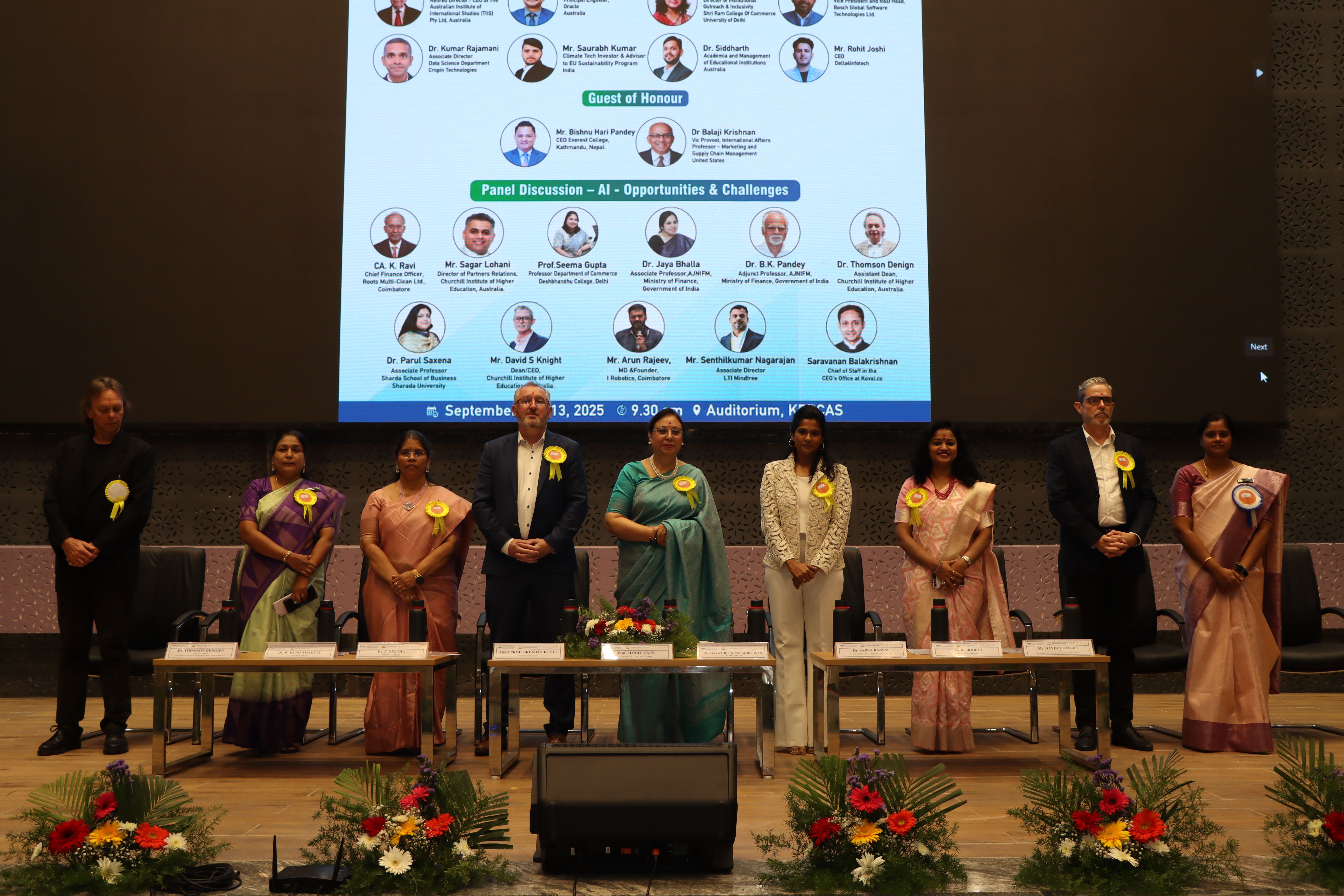
The International Conference on AI for Sustainable Economic Growth at KPR College focused on how AI can drive inclusive, resilient, and sustainable development. The event featured keynotes, panels, and research presentations on workforce transformation, ethical AI, and green innovation, while fostering global collaboration and knowledge exchange through partnerships and research initiatives.
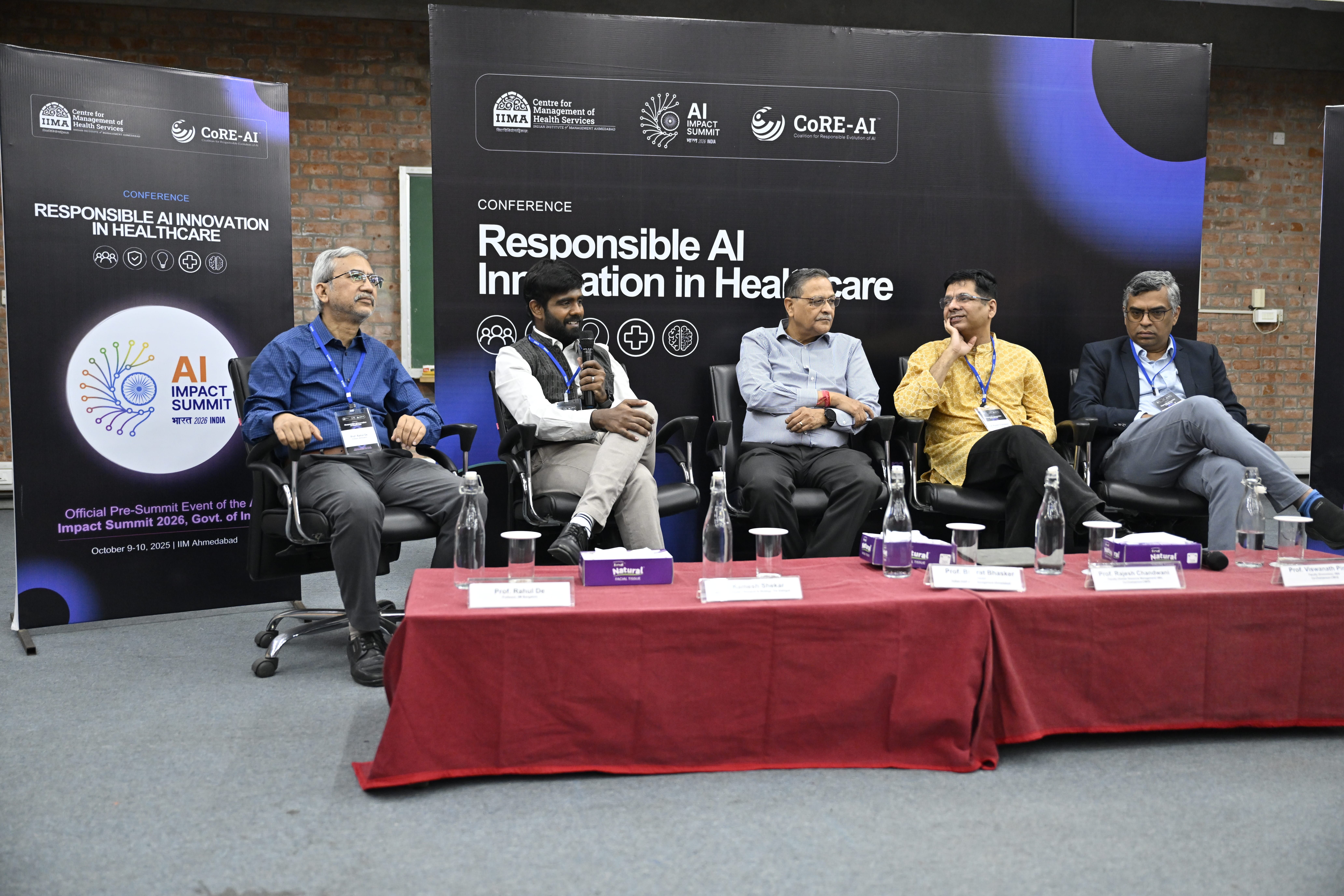
The “Responsible AI Innovation in Healthcare” conference, organized by IIM Ahmedabad in collaboration with CoRE-AI and the Ministry of Electronics and Information Technology brought together doctors, healthcare administrators, technologists, policymakers, and academics to discuss the safe and effective integration of AI into India’s healthcare ecosystem. It highlighted India-centric innovations while drawing from global best practices, underscoring the transformative potential of AI in healthcare.
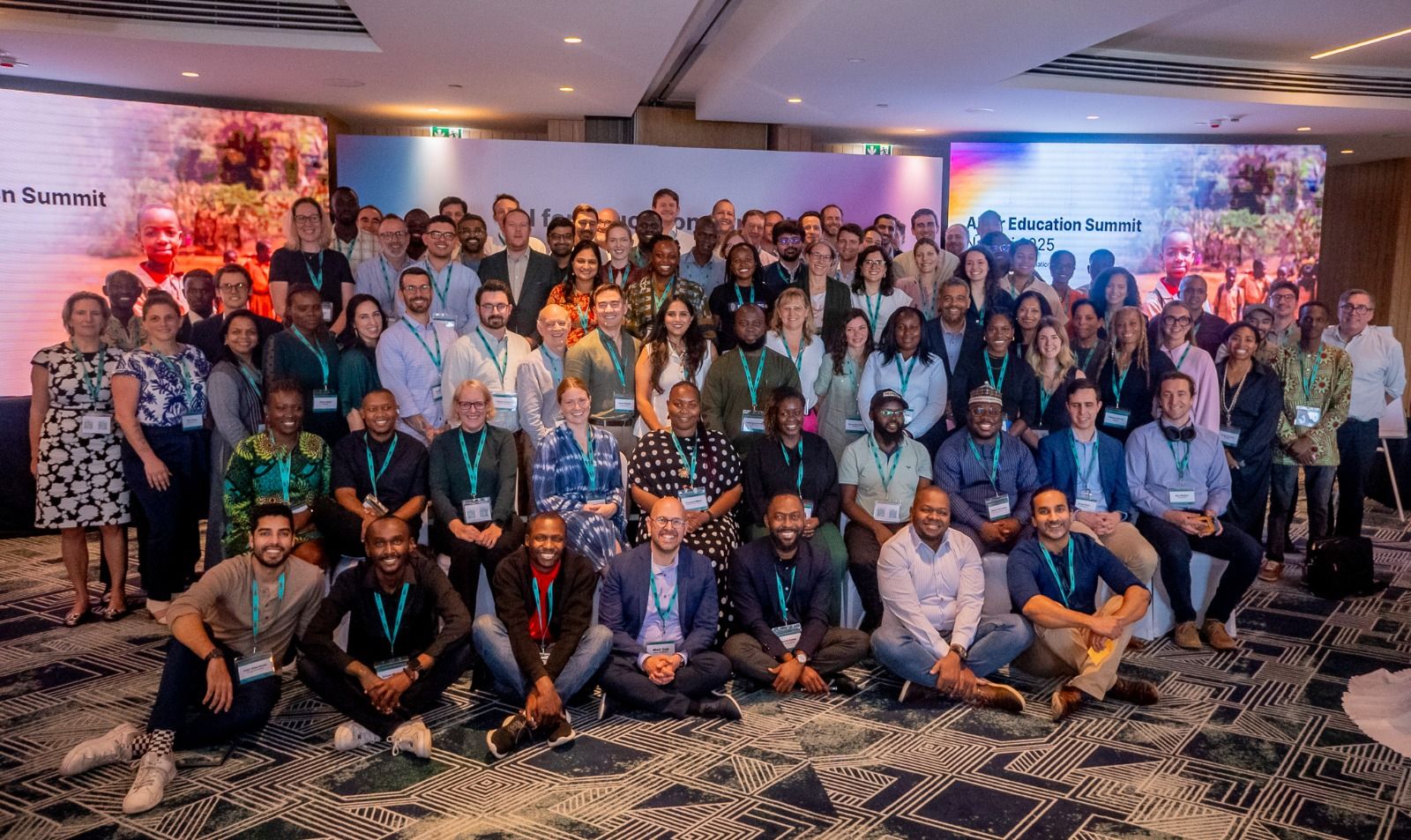
The AI for Education Summit, which took place from November 11 to 13, 2025, at Sankara Hotel in Nairobi, gathered about 80 senior leaders from EdTech organizations, NGOs, funders, and multilateral agencies. The summit focused on identifying impactful AI use cases for education in Sub-Saharan Africa, emphasizing teacher support, personalized learning, and AI-driven assessments. It prioritized inclusivity and South–South collaboration, bringing together African policymakers, educators, innovators, and international stakeholders to co-create actionable solutions for scalable, responsible AI deployment. Expected outcomes included a white paper, partnership commitments, and stakeholder pledges to pilot AI use cases aligned with themes of Safe & Trusted AI, Human Capital, Inclusion, and Democratizing AI Resources.